Commercial roof repair and inspection in Murphy, TX, with drain, seam, and curb checks planned around FM 544 access, operating hours, and work zones.
Tell us about the building and what you are seeing. We reply with the next practical step.
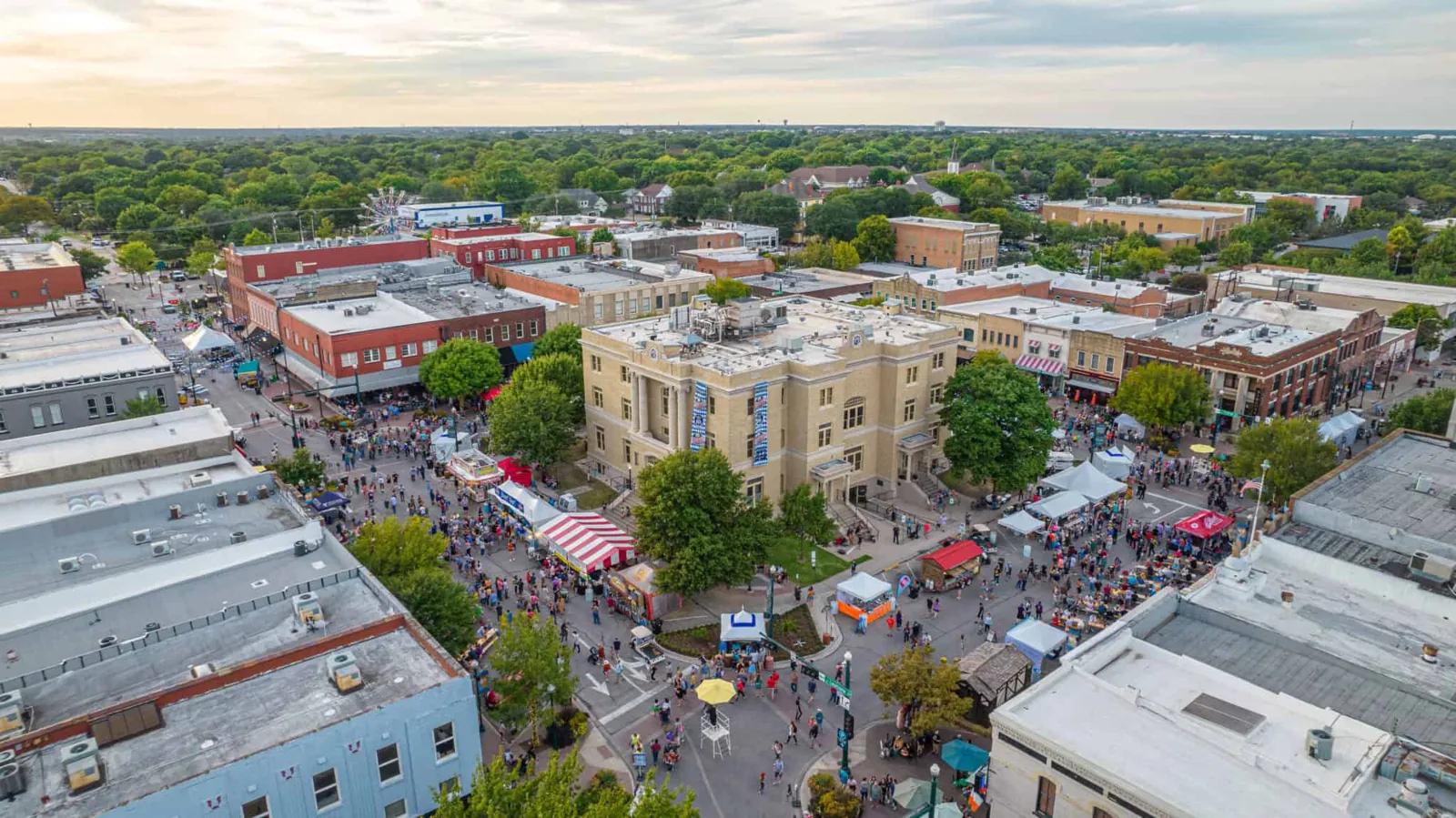
A leak above an active work area starts with a boundary: where is the water showing, which roof zone sits above it, and what access path can a crew use without crossing operations? In Murphy, we begin with those checks before pricing a patch or a larger correction. Murphy describes The Corridor as a broad commercial district running along FM 544, so an arrival and staging plan still needs to match the individual property. We inspect the assembly, mark the affected area, and keep the repair limits visible to the site contact.
Interior water may travel before it appears. We compare the leak location with seams, penetrations, curbs, perimeter edges, wall transitions, and drain paths above. A stain near equipment may trace to a curb corner; water at a wall can point toward flashing or termination details. The first walk records what is visible and separates a confirmed opening from a possible path. For a reported leak, a commercial roof leak repair visit should end with a mapped repair boundary, not a vague note that the area was checked.
We also ask whether the leak changes with rain direction, equipment operation, or a recent roof visit. Those details can help select the next inspection point. If the roof is wet or a safe route is restricted, we record the access limit and set a suitable return window. A hidden condition should not be described as confirmed until the roof provides evidence.
Murphy's planning materials describe The Corridor as coordinated commercial uses along FM 544. That broad district context does not tell us how any one property handles deliveries, parking, or roof access. We confirm the site's gate, ladder or hatch location, lift requirements, loading periods, and occupied hours with its contact. Staging should leave the active work area controlled and preserve the routes people use during the shift.
FM 544 is a useful local reference for dispatch and scheduling, but the building entrance and roof route determine the actual sequence. We note where material can be placed, how debris will leave, and whether a lift or interior escort is needed. A planned visit can then start with the right access path. A property in Princeton or Fairview sits under a different municipality, so its arrival and staging plan is confirmed on its own.
Water that remains near a drain can load seams and expose weak transitions. We inspect strainers, drain bowls, scuppers, overflow openings, and the route water takes across the surface. Debris removal may address a blocked outlet; a low area or compressed insulation can call for a different repair. We record the observed condition and do not treat a cleared drain as proof that the roof has no other issue.
Where the problem is standing water, a drain and scupper review can identify visible blockage and outlet condition. If water paths remain unclear, we mark the locations for follow-up after safe access or suitable weather. The inspection report can show each area and the recommended action, giving a facility contact a defined work order rather than an unlocated maintenance note.
A repair material must work with the existing membrane, substrate, and surface condition. We identify visible layers and details, review available records, and check whether the proposed patch can tie in cleanly. A TPO repair and a repair to built-up roofing use different preparation and seam methods. If the roof system is uncertain, we state that limit and identify what documentation or testing would resolve it before a broad repair scope is selected.
For concealed moisture, an infrared moisture survey may help locate temperature patterns for additional investigation; it does not replace confirmation at a selected test point. We explain what each method can show and how the result affects a patch, recover, or replacement choice. The work order identifies preparation, repair area, tie-ins, and any materials excluded from the scope.
When the repair boundary includes wet insulation, failed attachment, or repeated openings, a patch may not resolve the wider condition. We compare a limited repair with a larger section replacement or recover only after identifying the affected layers and drainage details. Cost and timing depend on how much material must be removed, whether the substrate needs correction, equipment or tenant coordination, and the weather window. The scope states the assumptions that control the work so the owner can decide whether to proceed in phases or address connected areas together.
Spring severe weather is a regional DFW concern, but a storm does not establish damage at a Murphy property. After a reported event, we inspect accessible roof areas for displaced edge metal, punctures, open seams, or other visible changes. If the roof is not safe to walk or conditions will not support a durable repair, we record the hold and plan the return. Temporary protection is limited to the identified opening and suitable for the conditions.
For occupied buildings, the work window matters as much as the repair detail. We confirm the shift, equipment shutoff needs, tenant traffic, and any area that must stay clear. The storm-damage review can document observed conditions by roof zone, while a maintenance visit can check drains and details before the next work order is urgent. In each case, the site contact receives a record of what was reached, changed, or left for follow-up.
At closeout, we identify what was opened, what was repaired, and which conditions remain. Photographs connect the work to a roof zone, and notes distinguish completed work from recommendations. If an additional trade, test, or access window is needed, we list the dependency. The facility director can then schedule the next action against the operating calendar and know which areas still need attention.
Murphy sits about 13 miles from McKinney, well within the area we cover. The route on the ground is set by the building's access and work restrictions. To arrange a commercial roof inspection, share the address, leak location, operating hours, and roof-access contact. We will confirm the visit type and return a written boundary for the work under review.
For a larger scope, we confirm who approves roof access, how the crew will move materials, and which operations must stay active. A weather hold or concealed condition can change the sequence, so the contact should know how that change will be reviewed. The written boundary keeps a local leak call, a planned maintenance item, and a capital discussion from becoming one undefined job.
Share the leak location, building hours, roof-access contact, and staging limits. We will sequence the inspection around the operating day.
Short answers to what owners and facility managers ask before a roof visit.
Send the address, leak location, available roof plan, access contact, and operating window. Prior repair notes help us choose the first roof zone to review.
Yes. We confirm delivery periods, staging limits, and roof access with the site contact, then set the work zone to keep active routes clear.
No. We trace the water path above the stain and inspect nearby seams, curbs, walls, and drains before defining the repair area.
Testing may help when visible clues suggest moisture below the membrane or when a larger scope depends on the condition of concealed layers. We identify the question first.
The record identifies the repaired roof zone, work performed, photographs, access limits, and any item that needs another visit or owner decision.
Send a question about the building and we will reply. Or call 555-555-5555.